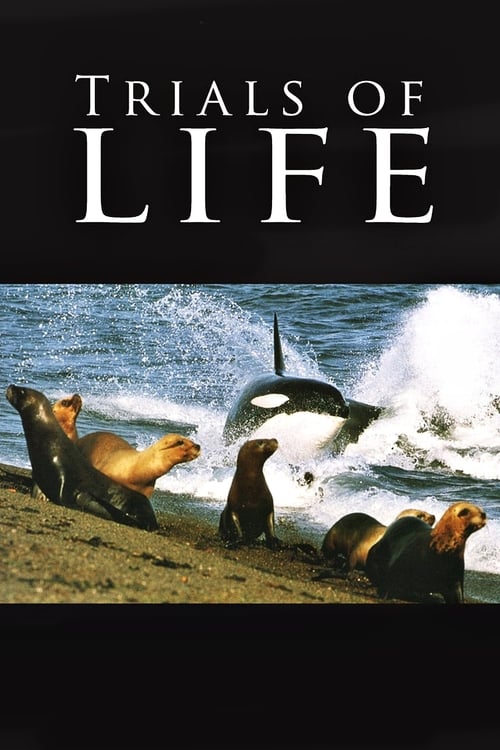

Documentary
Family
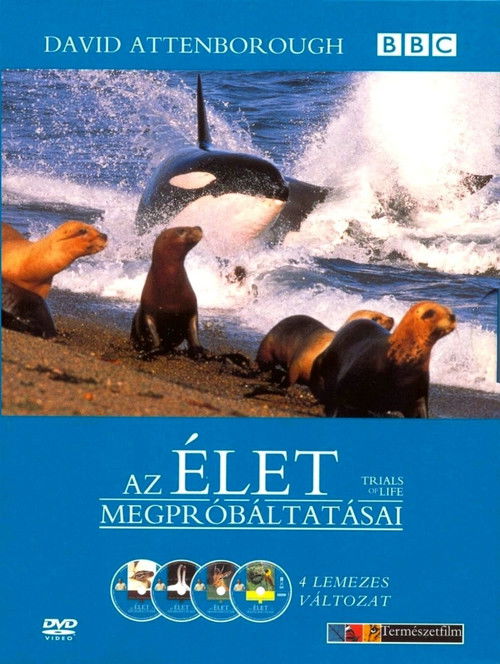
Each of the twelve 50-minute episodes features a different aspect of the journey through life, from birth to adulthood and continuation of the species through reproduction.
Top-rated
Thu,
08 Nov, 1990
S1.E6Home Making
This installment deals with how animals construct their shelters from the elements and predators. Burrows and holes can provide considerable refuge, and Attenborough inspects the home of the American prairie dog, an elaborate construction that has its own air conditioning system. Silk is such a valuable commodity that those that can't make it steal it instead. The hermit hummingbird uses it to attach its nest to the underside of a leaf, while the Indian tailorbird stitches two leaves together. However, the expert in complex nest-building is the weaverbird which makes its abode from over 1,000 strips of grass that are perfectly interwoven - and dismantling it if it fails to attract a mate. The beaver is responsible for one of the biggest animal dwellings: its wooden lodge that rises from the river bed stays in place from one generation to the next, and so requires constant maintenance. Some stingless bees use their wax and the resin of tree bark to create labyrinthine structures containing various compartments. Mud is also used by several creatures, such as the potter wasp and the cliff swallow. The termites' intricate creations allow for security, heating, air conditioning, self-contained nurseries and gardens, and sanitation systems. Attenborough hails the species as the consummate home maker, and explores a 15-foot colony in West Africa that contains 1.5 million insects: he crawls right inside to examine its method of ventilation.
Top-rated
Thu,
15 Nov, 1990
S1.E7Living Together
This episode focuses on those species that co-operate and depend on (or exploit) others. Spotted deer follow langur monkeys as they travel from tree to tree, eating any leaves that get dropped from above. In return, the deer serve as a lookout when the primates are feeding on the ground. Underwater, a hermit crab is shown adding sea anemones to its shell in order to protect itself from attack by an octopus, and a goby assists a virtually blind shrimp. Fleas, lice and mites are parasites: they share no mutual partnership and instead take advantage of creatures for food or shelter. However, parasites have their predators, and an example are the finches of the Galápagos Islands that clear the resident giant tortoises of their ticks, and oxpeckers, which do the same for giraffes in Africa (and even use its fur to line their nests). Some fish regularly clean others, and wrasse and shrimp appear to specialise in this regard, as do remora, which permanently hang on to their hosts. One parasite that grows inside its host is the fluke, and one is shown gestating inside a snail, having previously been unknowingly eaten. Because it needs to transfer to a bird's gut to develop further, it causes the snail to advertise its presence to allow itself to be consumed - thus completing the circle. However, some microscopic creatures inhabit the stomachs of large herbivores in order to break down the cellulose of their diet, thereby aiding their digestion.
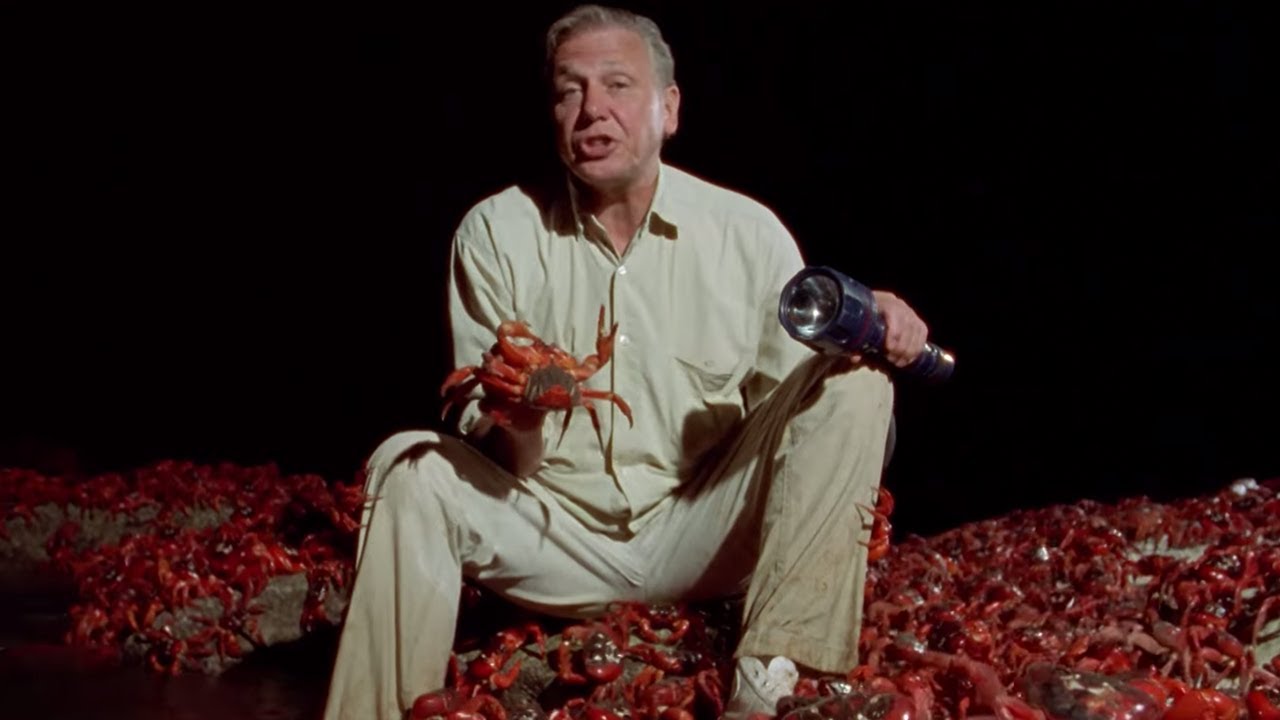

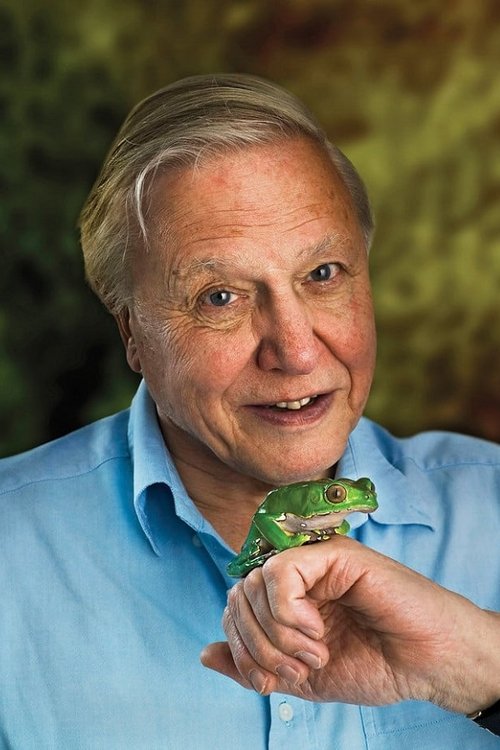
David Attenborough
Self - Narrator (voice)







Top picks
TV shows and movies just for you








More to explore

Editorial lists
Related lists created by IMDb editors
- The Billion-Dollar Film Club: 50+ Movies to Reach $1 Billion Worldwideupdated 1 day ago • 52 images

- The most anticipated sequels, prequels, and spin-offs coming in 2023updated 4 days ago • 26 images

- The best things to watch this weekend: Dec. 16 - Dec. 19updated 2 months ago • 7 images

- December Picks: The Movies and TV You Can't Missupdated 2 monts ago • 20 images

- New and upcoming sequels, prequels, and spin-offsupdated 3 monts ago • 45 images


